
آنچه در این مقاله میخوانید [پنهانسازی]
Work-Life Balance: The Key to Mental Health and Sustainable Well-Being
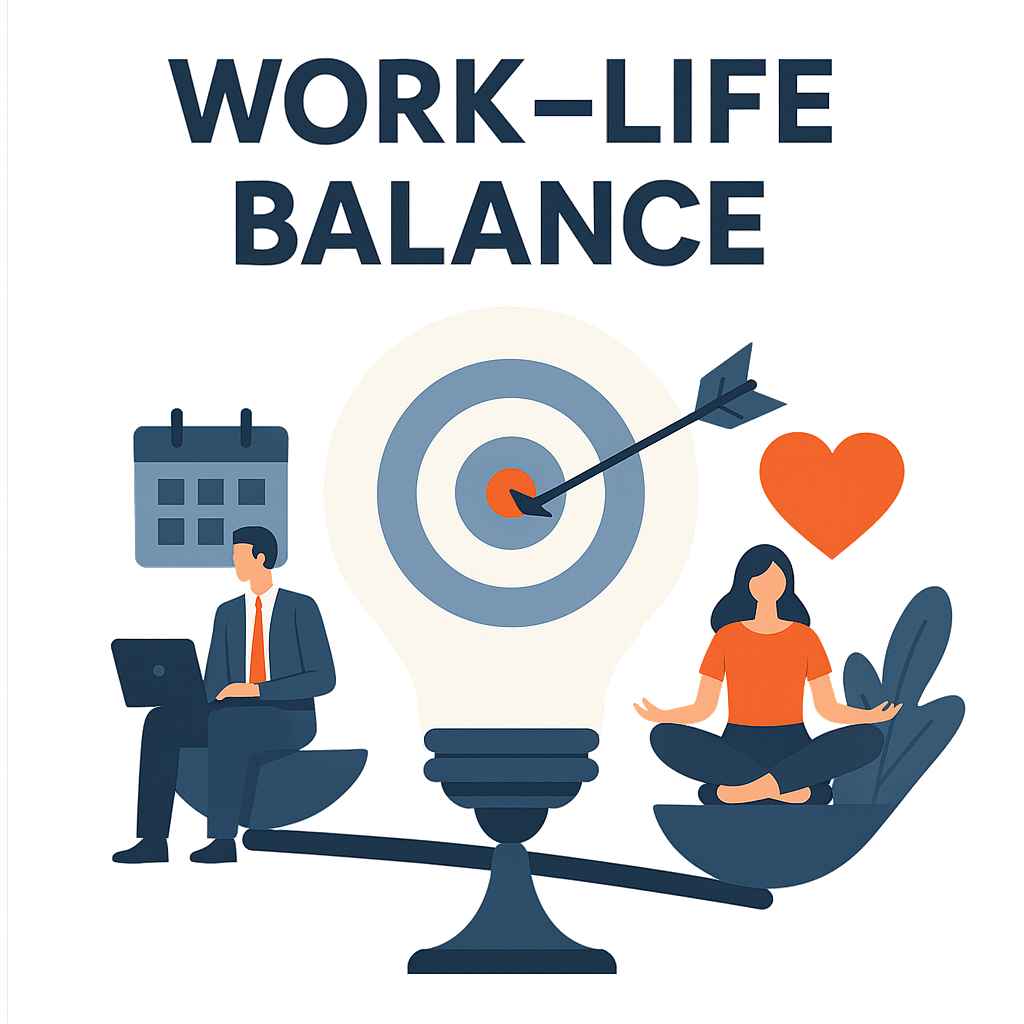
In today’s fast-paced world, the concept of work-life balance has become more important than ever. Many of us are caught in an endless cycle of work responsibilities, to the point where the boundary between professional and personal life has completely blurred. We wake up in the morning checking work emails and go to bed at night thinking about pending projects and tasks. This situation not only diminishes our quality of life but can also lead to burnout and more serious health issues.
But is the sole purpose of work just to earn money? Or do we work to build a better, higher-quality life for ourselves and our loved ones? If the latter is true, how can we achieve this goal when we leave no time for actual living?
Work-life balance means smartly managing our time, energy, and attention so that we can fulfill our work commitments while also dedicating time to family, friends, health, and personal interests. This balance has a different meaning for everyone; for some, it might mean leaving work at a specific time each day, while for others, it could involve reserving weekends entirely for rest and leisure after busy workdays. Regardless of personal definitions, we all need this vital balance.
Why Is Work-Life Balance So Important?
Maintaining a balance between work and life offers numerous benefits for an individual’s physical and mental health, as well as organizational productivity:
- Mental Health Preservation: Relentless work without adequate rest quickly leads to burnout. Burnout is a direct result of chronic stress. Paying attention to stress signals and responding appropriately is essential for maintaining peace and mental well-being.
- Physical Health Preservation: An imbalance between work and life doesn’t just cause mental issues; it also has serious physiological consequences, such as high blood pressure, cardiovascular problems, and a weakened immune system. A sedentary lifestyle and lack of physical activity create a breeding ground for many illnesses.
- Organizational Productivity: A tired, anxious, or burned-out employee can hardly be a productive and effective team member. Organizations that prioritize their employees’ physical and mental health and support work-life balance through proper planning see higher productivity and performance in the long run.
- Strengthening Personal Relationships: When work becomes the sole priority in life, maintaining meaningful and deep relationships with family and friends becomes challenging. Personal relationships have a greater impact on our happiness and growth than any other aspect of life. Allocating sufficient time to these relationships not only contributes to your happiness but is also vital for personal growth and progress.
- Personal Growth and Development: If you dedicate all your time to work, you’ll have no space to pursue hobbies, learn new skills, or focus on personal growth. Engaging in activities you enjoy is not only beneficial for you but also brings experiences and skills that can be valuable to your employer.
The Roots of the Desire for Balance: Human Intrinsic Needs
The desire to achieve balance in life is rooted in humans’ intrinsic needs. Humans are complex beings with various dimensions and diverse needs. We need rest, recreation, socializing, and personal growth just as much as we need work and productivity. An imbalance in these areas can lead to stress, anxiety, burnout, and health problems.
To better understand these needs, we can refer to psychological theories such as Maslow’s Hierarchy of Needs and Self-Determination Theory:
- Physiological Needs: These include the need for food, water, air, sleep, and physical health, which are the most fundamental needs for survival.
- Safety Needs: These encompass physical, financial, occupational, and family security.
- Love and Belonging Needs: The need for social relationships, affection, and belonging to groups like family, friends, and colleagues.
- Esteem Needs: These include self-respect, a sense of worth, and achieving successes.
- Self-Actualization Needs: Realizing personal potential, creativity, personal growth, and achieving long-term goals.
- Autonomy Needs: Having control over one’s decisions and behaviors (from Self-Determination Theory).
- Competence Needs: Feeling capable and effective in performing tasks and achieving goals (from Self-Determination Theory).
- Relatedness Needs: Having positive and meaningful relationships with others (from Self-Determination Theory).
How to Improve Work-Life Balance?
Meeting these intrinsic needs directly contributes to improving work-life balance:
- Meeting Physiological and Safety Needs: Ensuring adequate rest, healthy nutrition, and working in a safe and stable environment reduces stress and provides more energy for personal activities.
- Strengthening Social Relationships: Building and maintaining positive relationships with family, friends, and colleagues fosters a sense of belonging and emotional support, serving as a source of stress reduction and increased life satisfaction.
- Enhancing Self-Esteem: Achieving work goals and receiving positive feedback strengthens self-esteem, contributing to a sense of accomplishment and satisfaction in both work and life.
- Encouraging Self-Actualization: Providing opportunities for personal and professional development, such as new training or challenging projects, helps individuals feel they are growing and realizing their potential.
- Promoting Autonomy: Having greater control over time and how work is performed (e.g., flexible hours or remote work) increases job satisfaction and reduces stress.
- Increasing Competence: Offering opportunities for learning and developing new skills enhances feelings of capability and confidence.
Ultimately, remember the story of the woodcutter who was so busy chopping trees that he forgot to sharpen his axe. This story symbolizes the importance of rest and attending to other aspects of life. Just as a woodcutter needs to sharpen their axe to maintain efficiency, we need to “sharpen our axe” through hobbies, health care, spending time with loved ones, and rest to maintain our physical and mental health and boost productivity.
Practical Strategies for Achieving Balance
Here are some simple yet key suggestions for creating this vital balance:
- Set Clear Boundaries Between Work and Personal Time: When your workday ends, put your phone aside and ignore emails. You have the right to “switch off” and focus on your personal life.
- Plan Meticulously: Planning helps you waste less time and balance work and personal responsibilities more effectively.
- Learn to Say “No”: Sometimes, taking on too many commitments disrupts your balance. You don’t always need to be available or accept every request.
- Make Time for Yourself: Exercise, read a book, take a walk, or do anything that energizes and calms you. You’re not just an employee or manager; you’re a human who needs to recharge.
- Expect Attention from Managers and Organizations: A healthy organizational culture benefits from employees with balanced lives, leading to higher productivity. Organizations that prioritize their employees’ mental health and work-life balance ultimately see greater profits.
Conclusion
Meeting humans’ intrinsic needs not only improves an individual’s quality of life but also enhances work-life balance. By addressing these needs, individuals can experience less stress, greater satisfaction from work and life, and better overall physical and mental health.
Remember: Work is a part of our life, not the entirety of it. We work to live, not live to work. We hope everyone can find a way to achieve this balance—a path that brings satisfaction from both work and life.
Have you struggled to achieve work-life balance? Which of these strategies has been most effective for you?


